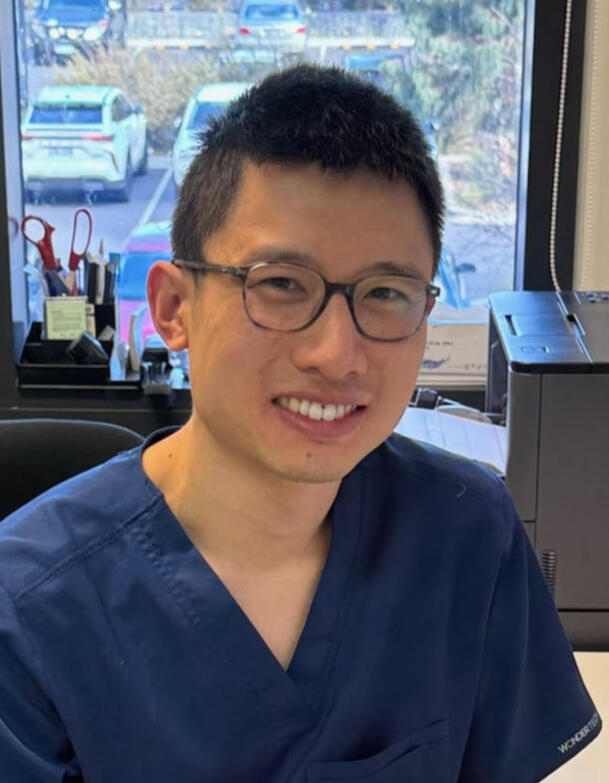
Dr Chi So
Skin Cancer Checks in Canberra
Skin cancer medicine, delivered with quiet confidence.
Skin Cancer is Common
Approximately two in three Australians will be diagnosed with skin cancer during their lifetime, making it the most common cancer in the country. With Australia’s high levels of UV radiation, regular skin checks are essential for early detection and effective treatment. At our clinic, we provide comprehensive skin cancer screening, diagnosis, and management in a caring, professional environment — helping you protect your skin and your health for the long term.
Consultations with Care
Each consultation is conducted with care and attention to detail, using advanced diagnostic tools to identify changes early. Whether you need a routine check, ongoing surveillance, or treatment of a specific lesion, we provide individualised care tailored to your skin type, risk factors, and medical history. Early detection offers the best outcomes — and regular checks are the most effective way to stay one step ahead of skin cancer.
Services
Dr Chi So provides comprehensive skin cancer care across his Canberra clinics, offering:
• Comprehensive skin checks
• Targeted spot and mole assessments
• Advanced dermoscopy for early detection
• Skin cancer surveillance and monitoring
• Biopsies and excisions
• Minor procedures
About Dr Chi So
Dr So attained his Fellowship of the Royal Australian College of General Practitioners (FRACGP) in 2017. Driven by a strong interest in procedural and skin cancer medicine, he went on to complete a Master of Medicine (Skin Cancer) and has developed extensive experience as a dermoscopist.
He has worked for several years in a specialist skin cancer hospital, where he refined his skills and developed a philosophy that carefully balances effective skin cancer treatment with optimal cosmetic outcomes.
Complementing his clinical practice, Dr So also holds a Master of Public Health and has contributed to NHMRC-funded research in skin cancer medicine. His work has been published in leading international journals, exploring the epidemiology, prevention, and public health management of skin cancer within Australian primary care.
What to Expect During a Skin Cancer Check
A skin cancer check is a thorough medical assessment designed to detect early signs of skin cancer — often before they become visible or cause any symptoms. Early detection allows for simpler treatment, better outcomes, and long-term peace of mind.During your consultation, Dr Chi So will begin by taking a careful medical history and discussing any areas of concern, such as new, changing, or non-healing spots. A full-body skin examination is then performed in a private, comfortable setting. Every mole, freckle, and lesion is assessed using dermoscopy — a specialised skin microscope that magnifies and illuminates the deeper structures of the skin, enabling highly accurate evaluation beyond what is visible to the naked eye.If a suspicious area is detected, Dr So will explain the findings clearly and outline the most appropriate next steps. These may include photographic monitoring, a biopsy, or excision of the lesion for further analysis.Each examination is conducted with meticulous attention, respect, and care — ensuring not only clinical accuracy but also your comfort and understanding throughout the process.Early detection is one of the most effective ways to protect your health, and a professional skin cancer check provides a simple yet powerful safeguard for your long-term wellbeing.
How Often Should I Get a Skin Cancer Check in Australia?
Australia has one of the highest rates of skin cancer in the world, making regular skin cancer checks an essential part of maintaining lifelong skin health. How often you should have a skin check depends on your individual risk factors, but general guidelines can help you stay protected.For adults in Australia with risk factors, routine skin checks allows for early detection of melanoma and non-melanoma skin cancers, when treatment is most straightforward and outcomes are best.Individuals considered higher risk may need more frequent checks. You may fall into a higher-risk category if you have fair skin, a history of significant sun exposure, use tanning beds in the past, have multiple or atypical moles, or have a personal or family history of melanoma or other skin cancers. People who work outdoors or spend long periods in the sun should also consider more regular checks.In addition to full-body assessments, it’s important to perform self-examinations every 2–3 months, looking for new or changing spots. If you notice anything concerning — such as a mole that changes in size, shape, or colour — you should book a skin cancer check promptly, regardless of when your last screening was.Regular skin cancer checks in Australia is one of the most effective ways to prevent advanced disease. A professional skin check with an experienced clinician ensures early detection, accurate diagnosis using tools like dermoscopy, and peace of mind for the long term.